The Value of Clear, Detailed Basement Bids
Getting bids from several basement finishing contractors is a smart way to start your project. But comparing those bids isn’t always as simple as looking at the final price. One contractor might give you a single number for the entire basement, while another provides several pages explaining exactly what’s included. Even when the prices are similar, the work being quoted can be very different.
A detailed bid takes much of the guesswork out of the process. It helps you understand where your money is going, what you’re getting for the price, and what might cost extra. Here’s why we believe a clear, detailed bid is one of the most important parts of planning a basement finishing project.
1. A Good Bid Starts With a Good Plan
Before a contractor can give you an accurate price, they need to understand what you want to do with your basement. How many bedrooms will you need? Are you planning to add a bathroom or wet bar? Do you want a large open living area, or would you rather divide the space into several rooms? These decisions all affect the cost.
A good contractor will walk through your basement, discuss your ideas, take measurements, and look at things like existing plumbing, electrical, and HVAC systems. They’ll also help you understand which features fit your budget and where you might be able to save money.
The more decisions you make before the bid is finalized, the more accurate that bid should be. It’s much better to work through these details early than to discover halfway through construction that something you wanted wasn’t included.
2. You Should Know What’s Included in the Price
A basement bid shouldn’t leave you wondering what you’re actually paying for. A detailed bid should explain the major parts of the project, including:
- Framing: Interior walls, soffits, and other framing work.
- Electrical: Outlets, switches, lighting, and any needed electrical upgrades.
- Plumbing: Bathroom fixtures, drains, water lines, and other plumbing work.
- HVAC: Heating, cooling, and ventilation adjustments.
- Drywall and Paint: Wall and ceiling finishes, including the painting work.
- Flooring: Carpet, luxury vinyl plank, tile, and installation.
- Doors and Trim: Interior doors, baseboards, casing, and finish carpentry.
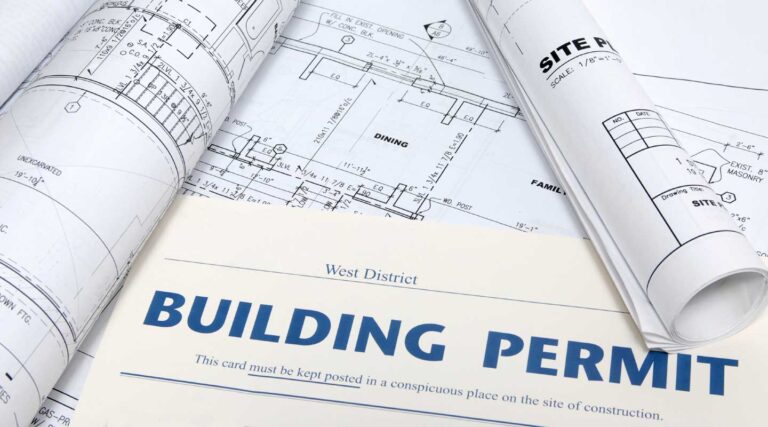
- Permits and Inspections: Required permits and inspections throughout construction.
If you’re adding a fireplace, wet bar, custom cabinets, or other upgrades, those should be clearly identified as well. The bid should also explain what isn’t included. For example, some contractors may exclude flooring upgrades, certain fixtures, or permit fees from their initial price. You don’t necessarily need a price for every nail and screw, but you should have a clear understanding of the work being done and the materials being used.
3. Detailed Bids Make Comparing Contractors Easier
It’s tempting to go with the lowest bid, especially when the difference is several thousand dollars. But before making that decision, take a closer look at what each contractor is offering. For example, one contractor might quote $38,000 for your basement, while another comes in at $43,000. At first glance, the $38,000 bid looks like the better deal. But what if that price doesn’t include permits, upgraded lighting, bathroom tile, or the flooring you wanted?
By the time those items are added, the lower bid could end up costing more. This is why we recommend comparing bids based on the actual work being included, not just the total price. Look at the materials, fixtures, finishes, and any exclusions. If something isn’t clear, ask the contractor to explain it. A contractor who has taken the time to prepare a thorough bid should be able to walk you through the numbers and answer your questions.
4. Fewer Surprises During Construction
One of the biggest frustrations homeowners have with remodeling projects is watching the price increase after construction begins. Sometimes additional costs are unavoidable. A contractor might discover an existing plumbing problem, or you might decide to upgrade your bathroom tile or add more lighting. But there’s a difference between a legitimate change and something that should have been included in the original bid.
A detailed bid helps establish exactly what you’ve agreed to. If you decide to make changes later, you can see how those changes affect the price before approving the additional work. This also protects both you and the contractor. Everyone has the same written understanding of what the project includes, making disagreements much less likely. The goal isn’t to promise that nothing will ever change. It’s to make sure you understand what you’re paying for and why.
5. A Detailed Bid Helps You Stay on Budget
Most homeowners have a budget in mind when they start planning their basement. The challenge is figuring out how to get the features they want without spending more than they’re comfortable with. A detailed bid makes those decisions easier. For example, you might decide to install standard carpet in the bedrooms so you can spend a little more on the bathroom. Or you might choose a simple wet bar instead of a full kitchenette.
You can also look for practical ways to reduce costs, such as keeping the bathroom close to existing plumbing, choosing standard-size doors, or using stock cabinets instead of custom-built ones. These changes might not seem significant individually, but they can make a noticeable difference in the final price. When you can see where the money is going, it’s easier to decide which upgrades are worth it and which ones you can do without.
6. Clear Bids Help Keep the Project Organized
A detailed bid does more than establish the price. It also gives the contractor a clear scope of work to follow once construction begins. When the layout, materials, and finishes have already been decided, there’s less room for confusion. The electrician knows where the outlets and lights need to go. The plumber knows which fixtures are being installed. Flooring and other materials can be ordered ahead of time, and subcontractors can be scheduled around the work that needs to be completed.
Of course, even a well-planned basement project can run into delays. Inspections, material availability, and unexpected conditions can all affect the schedule. But having a clear plan from the beginning helps avoid unnecessary changes, missed details, and work that has to be redone. It also makes communication easier. If you have a question about a particular part of the project, you and your contractor have something specific to refer back to.
7. What Should You Ask Before Accepting a Basement Bid?
Before signing a contract, make sure you’re comfortable with the details. Here are a few questions worth asking:
- Is everything we discussed included in this price?
- What materials and finishes are included?
- Are permits and inspections covered?
- Are there any allowances for items we haven’t selected yet?
- What work or materials are excluded?
- How will changes or upgrades be priced?
- What is the payment schedule?
- How long is the project expected to take?
A good contractor shouldn’t have a problem answering these questions. In fact, these are the kinds of details that should be discussed before work begins.
8. Get a Clear Price Before You Start Your Basement
Finishing your basement is a big investment, and you deserve to know what you’re paying for before construction starts. We believe a good basement project begins with careful planning, a detailed bid, and an open conversation about costs. We’ll walk through your basement, discuss what you want to accomplish, and put together a bid that clearly explains the work and what’s included. That way, you can make decisions based on real numbers instead of guesswork.
Thinking about finishing your basement? Contact us to schedule a free consultation and detailed bid. We’ll help you understand your options, answer your questions, and find a practical way to make the most of your space.