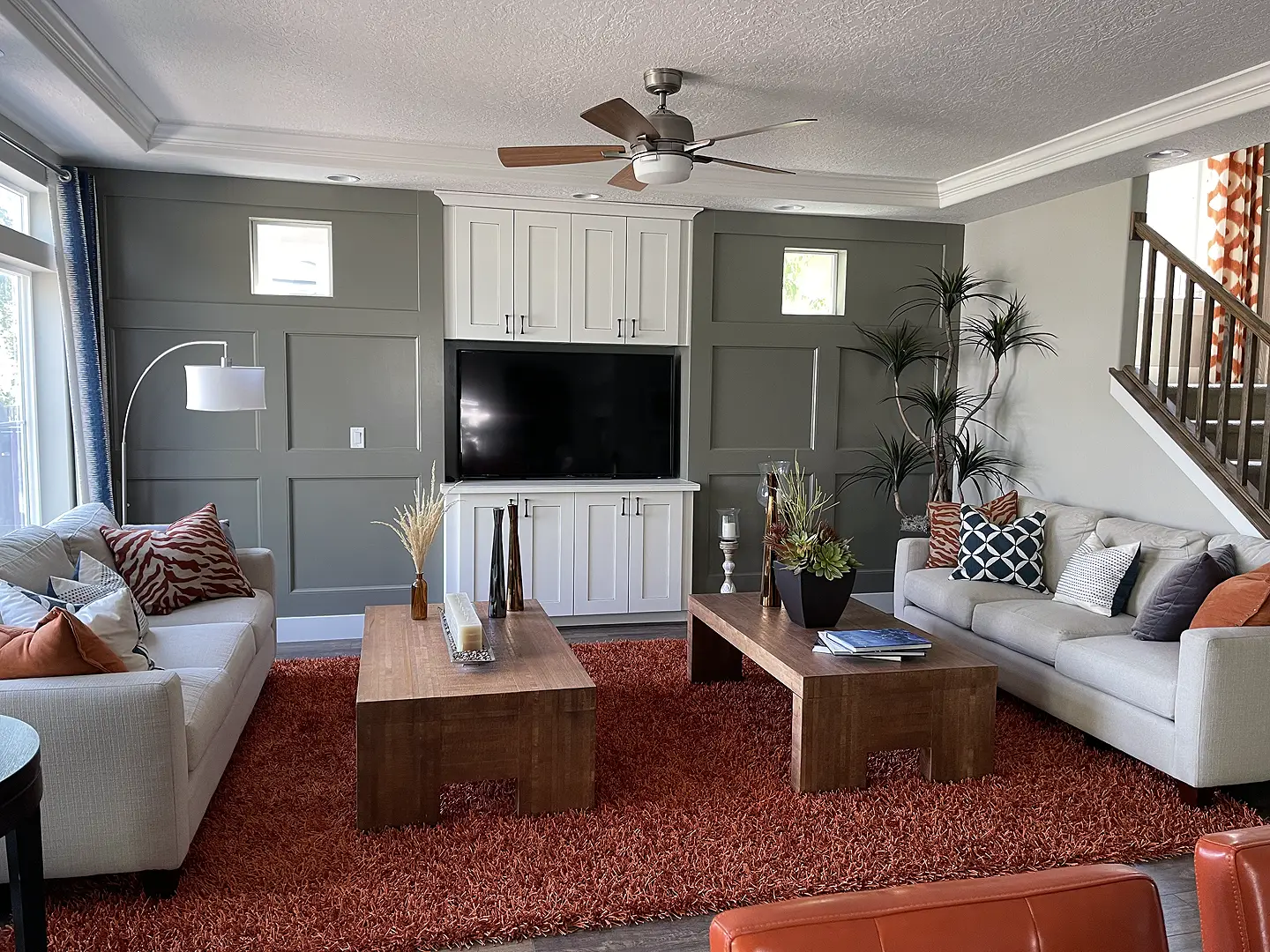
How We Consistently Deliver Quality Basement Finishes
When you hire a contractor to finish your basement, you expect the work to be done right. You want walls that are straight, flooring that holds up, and a finished space that looks just as good several years from now as it does on the day you move in. Getting those results takes more than good materials and skilled workers. It takes careful planning, good communication, and a construction process that keeps everyone on the same page.
We’ve spent years finishing basements throughout Utah, and we’ve learned that the small details often make the biggest difference. From the first measurements to the final walkthrough, we follow a consistent process to make sure every part of the project gets the attention it deserves. Here’s what goes into delivering a basement we’re proud to put our name on.
Experienced Professionals Who Know Their Trades
A basement involves several different trades, and each one needs to do its job correctly. Framing, plumbing, electrical, heating and cooling, drywall, and finish carpentry all have to come together for the project to turn out well. We work with experienced tradespeople who understand residential construction and the requirements for finishing basements in Utah. Licensed professionals handle work that requires specialized licensing, including electrical and plumbing installations.
Experience makes a difference, especially when something doesn’t go exactly as planned. An experienced crew knows how to work around existing ductwork, plumbing lines, low ceilings, and other challenges that are common in unfinished basements. They also understand how their work affects the next trade. Good framing makes drywall installation easier. Properly placed electrical boxes help outlets and switches sit neatly against finished walls. Getting these details right early on prevents problems later.
Careful Planning Before Construction Begins
One of the best ways to maintain quality is to make important decisions before construction starts. We begin by looking at the existing basement and talking with homeowners about what they want to do with the space. That includes the number of rooms, bathroom locations, storage needs, lighting, flooring, and any special features they want to include. From there, we develop a layout and work through the construction details.
This is also when we look for potential problems. For example, an existing support post might affect where a wall can go, or a bathroom location might require additional plumbing work. It’s much easier to address these things during planning than after the walls have been framed. We also want homeowners to understand what they’re getting. Clear plans, material selections, and a detailed scope of work help prevent misunderstandings and unnecessary changes during construction. The more we can work out ahead of time, the smoother the actual construction tends to go.
Materials That Hold Up to Everyday Use
Good workmanship is important, but the materials used in a basement matter too. We choose materials based on how they’ll perform, how they’ll look, and how well they fit the homeowner’s budget. Not every basement needs expensive upgrades, but the basic materials should be dependable.
For example, flooring needs to handle regular foot traffic and the conditions found in a below-grade space. Insulation should meet local building requirements and help keep the basement comfortable. Doors, trim, cabinets, and hardware should be installed properly and hold up to everyday use. We also pay attention to the materials homeowners don’t see once construction is finished. Proper framing, insulation, electrical components, and plumbing materials are just as important as the flooring and paint. Our goal isn’t to recommend the most expensive option. It’s to help homeowners choose materials that make sense for their basement and avoid cutting corners on things that matter.
Paying Attention to the Small Details
You can usually tell when a basement has been finished carefully. The walls are straight. The drywall looks smooth under the lights. Trim joints are tight, doors close properly, and the paint has an even finish. These details might seem minor on their own, but together they make a big difference in how the basement looks and feels. We pay attention to workmanship throughout construction, not just when we’re installing the final finishes. That includes checking framing before drywall goes up, making sure surfaces are properly prepared for painting, and taking the time to install trim, doors, and flooring correctly.
Lighting is another good example. Recessed lights need to be positioned thoughtfully so the room is evenly lit and fixtures line up where they’re supposed to. Poor placement can make an otherwise nice basement feel unfinished. We also look at how different materials meet. Flooring transitions, tile edges, baseboards, and corners should have a clean appearance. It’s easy to overlook these things when trying to finish a project quickly. We believe they’re worth getting right.
Keeping Homeowners Informed
A basement project can take several months from planning through completion, and homeowners shouldn’t have to wonder what’s happening in their own homes. We make communication part of our regular construction process. Homeowners receive updates about the work being completed, what’s coming next, and any decisions that need their attention. If a material selection needs to be finalized or a schedule needs to change, we want to address it before it becomes a problem.
Good communication also helps us maintain quality. When everyone understands the plans and expectations, there’s less room for mistakes. For example, if a homeowner wants additional outlets behind a television or a specific location for a bathroom vanity, those details need to be communicated before the electrical and plumbing work is completed. We encourage homeowners to ask questions throughout the project. It’s their basement, and we want them to feel comfortable speaking up if something needs clarification.
Clean and Organized Jobsites
Basement finishing creates dust, debris, and plenty of activity inside a home. While some disruption is unavoidable, we believe contractors should make an effort to keep the work area clean and organized. Our crews work to keep tools and materials organized, remove construction debris regularly, and maintain clear work areas. We also take precautions to limit dust and protect the parts of the home that aren’t being remodeled. Depending on the project, that may include floor protection, temporary dust barriers, and designated routes for moving materials in and out.
Keeping the jobsite organized isn’t just about appearance. It helps prevent accidents, protects finished work, and makes it easier for each trade to do its job. A cluttered basement can slow everyone down. When materials are stored properly and work areas are kept clear, crews can spend more time building and less time working around unnecessary obstacles. We know homeowners are trusting us to work inside their homes, and we take that responsibility seriously.
Checking the Work Throughout Construction
We don’t believe in waiting until the final walkthrough to find out whether something was done correctly. Quality checks need to happen throughout the project, especially before work gets covered up. For example, framing should be checked before drywall installation. Electrical, plumbing, and HVAC work need to be reviewed at the appropriate stages. Once drywall is installed, it becomes much more difficult to correct something hidden behind the walls. We review the work as construction progresses and coordinate the required building inspections with the local city or county.
These inspections are an important part of the process. They help verify that the work meets applicable building and safety codes before the project moves to the next stage. We also look for workmanship issues that might not be part of a building inspection. A wall can meet code and still need adjustments to achieve a clean finished appearance. By checking work along the way, we can address small issues before they turn into larger problems.
A Final Walkthrough Before We Finish
Once construction is complete, we walk through the basement with the homeowner to review the finished work. This is our opportunity to make sure everything is working as expected and address any remaining details. We look at items such as paint touch-ups, trim, doors, flooring, fixtures, and other finishing details. We also want homeowners to have a chance to see the completed space, ask questions, and point out anything that needs attention.
Sometimes it’s something small, like adjusting a door or touching up a section of paint. Those final details are still part of the job, and we want them taken care of. The final walkthrough also gives us a chance to explain any important features and discuss what homeowners should know about caring for their new basement. Our work isn’t complete simply because the construction schedule says we’re finished. We want to leave homeowners with a basement that’s ready to use.
Standing Behind Our Work With a Two-Year Warranty
Even with careful planning and experienced crews, construction work can occasionally need attention after a project is finished. That’s why we back our basement finishing projects with a two-year workmanship warranty. If an issue covered by our warranty comes up after completion, homeowners can contact us so we can review it and arrange for the appropriate repairs.
We believe standing behind our work is part of being a responsible contractor. Homeowners are making a significant investment in their property, and they should know who to call if they have a concern. The warranty also reflects how we approach construction from the beginning. We want to do the work correctly the first time and build basements that homeowners can enjoy for years.
Quality Comes From Doing the Little Things Right
There’s no single trick to building a great basement. It’s the result of dozens of decisions made throughout the project. It starts with a practical design and a clear construction plan. It continues with experienced tradespeople, dependable materials, organized jobsites, and regular quality checks. And it finishes with careful attention to the details homeowners will see and use every day. We’ve learned that consistency matters. Following a reliable process helps us deliver the same level of care whether we’re finishing a simple family room and bathroom or building a basement with bedrooms, a wet bar, and a home theater.
Thinking about finishing your basement?
We’d be happy to look at your space, talk through your ideas, and explain what the project would involve. Contact us today to schedule a free consultation and receive a detailed basement finishing bid.