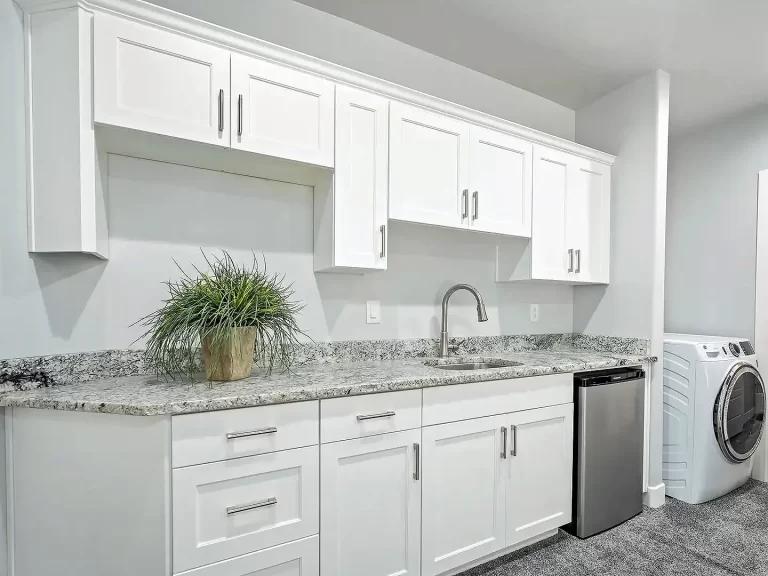
Finishing your basement is one of the most innovative ways to add living space to your home without having to build an addition. Whether you’re planning extra bedrooms, a home office, a theater room, or even a rental unit, the project can be a significant investment. And for many homeowners, the first question is: How do I afford it?
The good news: with the right financial strategy, you can turn that unused basement into a functional, comfortable space without straining your budget. Let’s look at the most common ways to pay for a basement finish—and how to decide what works best for you.
Step 1: Start With a Realistic Budget
Before comparing financing options, you’ll need to obtain a clear understanding of the potential costs associated with your project.
Get Accurate Estimates
Basement finishing costs depend on size, layout, and features. A simple family room costs far less than a basement apartment with a full kitchen and bathroom. The best way to know your range is to get multiple quotes from licensed contractors in Utah.
Plan for Extras
Your budget should include:
- Construction and materials
- Permits and inspections
- Design and layout planning
- A contingency fund for surprises (we usually recommend 10–15%)
By setting a realistic budget early, you’ll know exactly how much financing (if any) you’ll need
Step 2: Explore Your Financing Options
Everyone’s budget is different. The key is to select options that align with your existing financial commitments. Here are a few suggestions that may help you find a way to get the basement finished the way you want:
1. Personal Savings
If you have been disciplined and set aside enough money to finish your basement, congratulations, that’s not easy. This is by far the most cost-effective way to fund your basement: no interest, no loan fees, and no extra steps.
2. Home Equity Loan or Line of Credit (HELOC)
This is one of the most popular choices. By borrowing against the equity in your home, you can usually get lower interest rates than with credit cards or personal loans.
- Home equity loan: You get a lump sum upfront with fixed monthly payments.
- HELOC: Works more like a credit card; you can borrow as you need it, up to a set limit.
3. Contractor Financing
Some contractors (including us) partner with lenders to offer financing directly. It’s convenient and sometimes comes with special rates. Be sure to read the fine print carefully so you understand the terms and conditions. This is usually a pretty high interest rate option.
4. Credit Cards
For minor upgrades, a credit card can be a quick solution. However, for larger projects, the high interest adds up quickly unless you can pay it off immediately.
5. Personal Loans
Banks, credit unions, and online lenders all offer personal loans you can use for remodeling. These don’t require home equity, which makes them accessible, but the interest rates are usually higher.
6. Government Programs
Don’t forget to check for local and federal programs. Some offer grants, low-interest loans, or tax incentives, mainly if your project includes energy-efficient upgrades. A little research could save you thousands of dollars.
Step 3: Compare and Choose
Once you’ve explored your options, take the time to compare:
- Interest rates
- Repayment terms
- Fees or closing costs
- Flexibility (fixed loan vs. revolving line of credit)
Select the option that aligns with both your current budget and your long-term financial objectives.
Step 4: Apply and Finalize
When you’re ready:
- Gather documents like income verification, credit history, and project details.
- Apply with your chosen lender (or contractor financing partner).
- Once approved, funds are released either directly to you or to your contractor, depending on the program.
From there, your contractor can begin work, and you’ll make payments according to the agreed schedule.
Final Thoughts
Finishing your basement is an exciting project that adds space, value, and comfort to your home. And with the right financial plan, it’s within reach. By setting a clear budget, exploring financing options, and choosing a contractor who’s transparent with pricing, you can turn your unfinished basement into one of the best parts of your house.