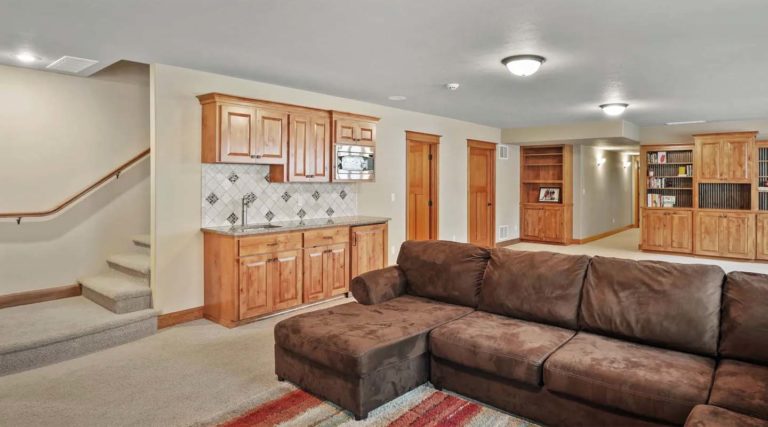
Why Utah Homeowners Are Adding Basement Apartments
Homeowners across Utah are turning unfinished basements into rentable apartments to gain extra income, maximize living space, and boost long-term property value.
More income, more flexibility, more value
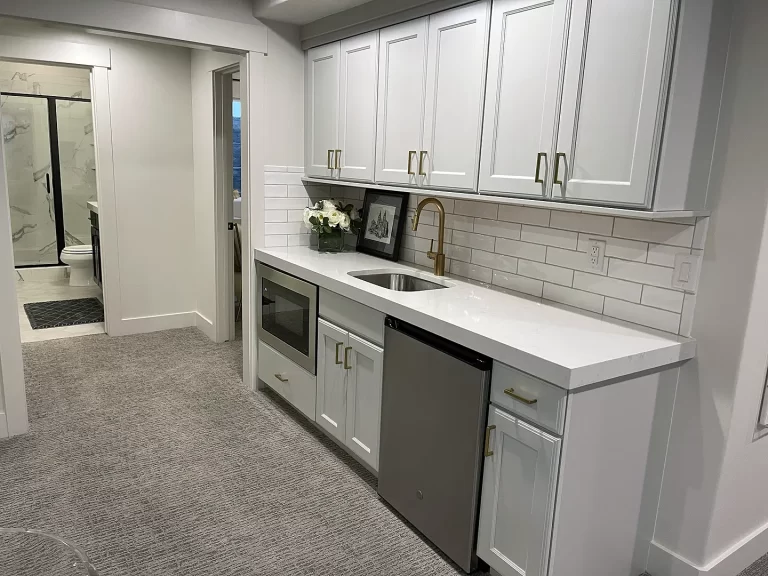
Turning your basement into an apartment (ADU) offers a smart way to generate rental income, host a family, or boost resale value without expanding your home’s footprint.
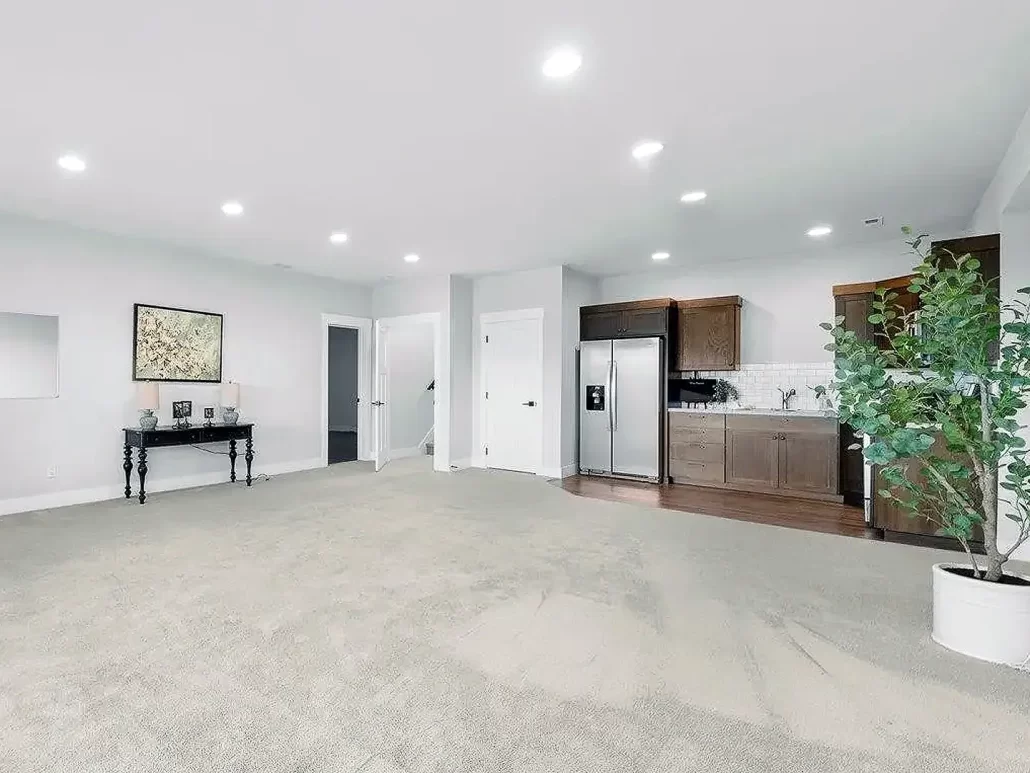
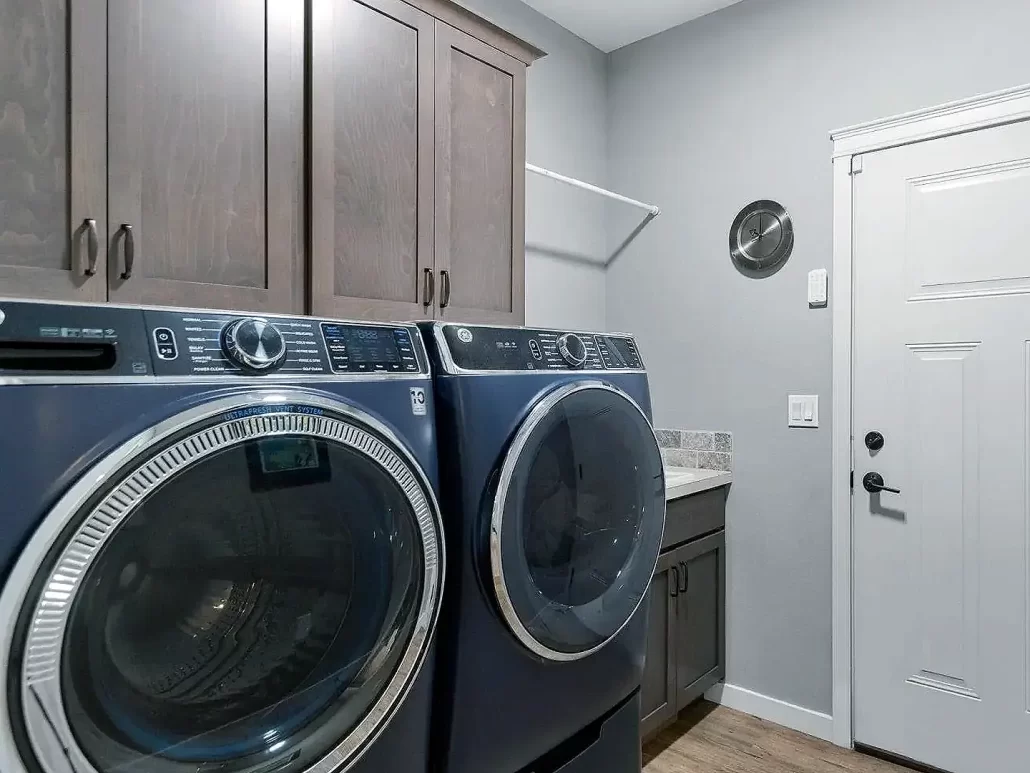
Basement Apartment Requirements in Utah
Most Utah cities have similar rules for legal basement rentals, and understanding them early makes planning smoother and approvals faster.
Challenges to Keep in Mind
Basement apartments are great, but a few practical considerations can affect comfort and approval—planning ahead helps avoid surprises later.
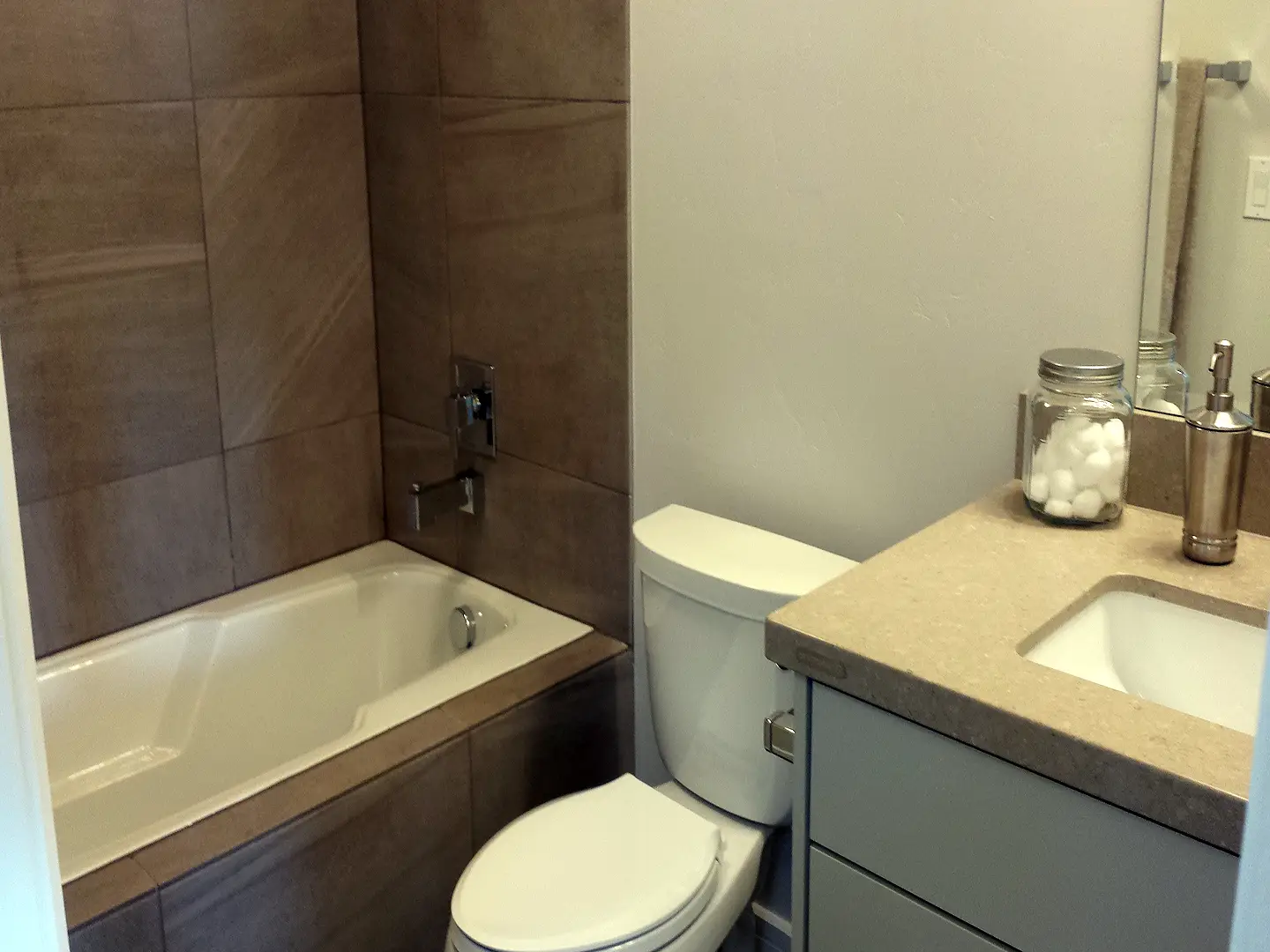
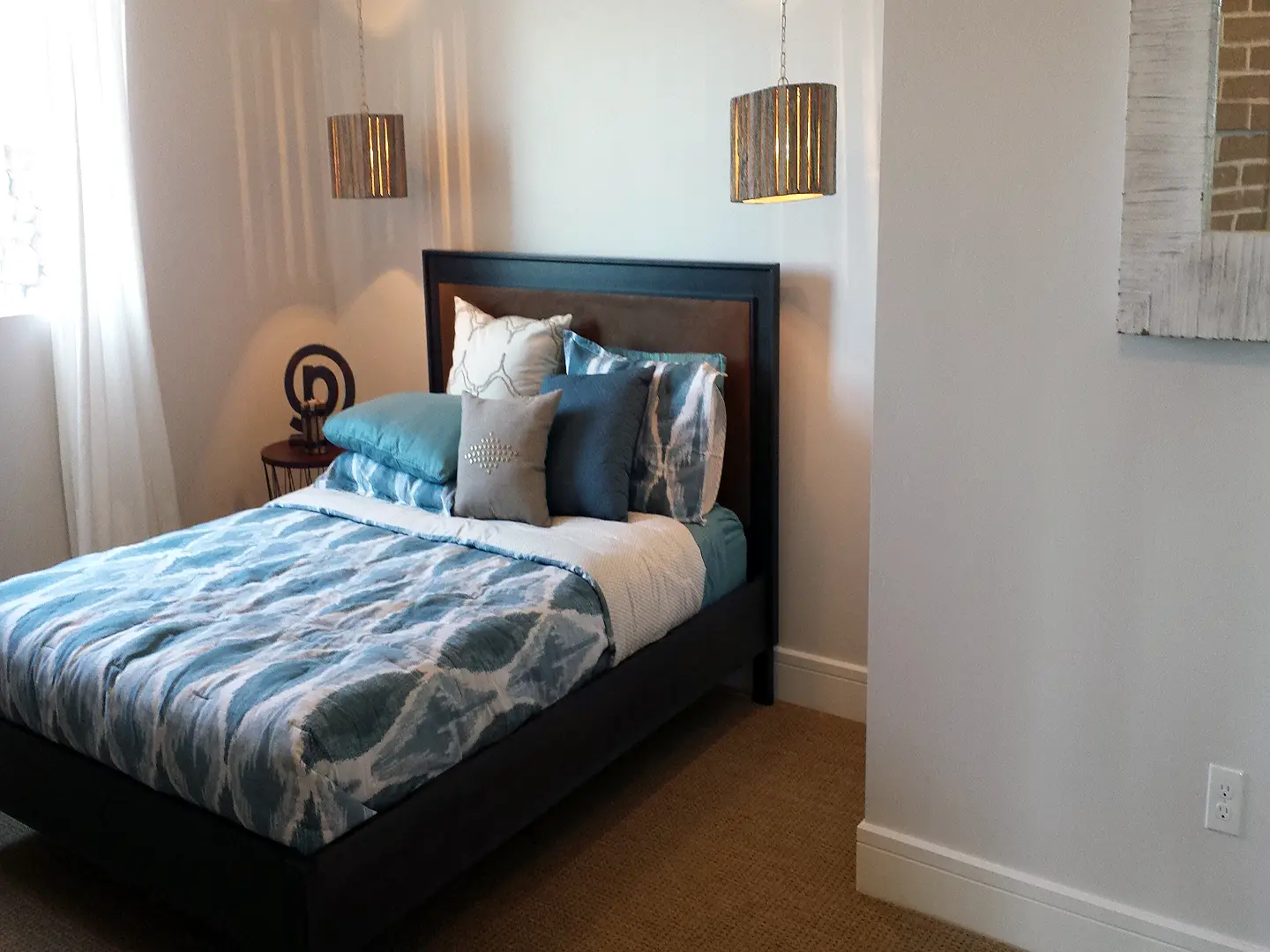
The Process, Step by Step
Building a basement apartment follows a clear path: check the rules, plan well, and move through permits and construction until it’s ready to rent.
Is It Worth It?
For most homeowners, yes. A legal basement apartment can pay for itself over time, boost your property value, and give you more options for how you use your space. The key is doing it right; cutting corners or skipping permits can lead to fines, insurance issues, or significant problems when you sell your home.
Recommendations for Action
Turning your basement into a legal apartment follows a straightforward order, and knowing what comes first helps the project move faster and with fewer surprises. Start by checking with your city’s planning or building department to confirm basement rentals are permitted in your area. Once you have the green light, partner with a contractor who understands ADUs, code requirements, and layout design. They’ll help you plan the entrance, utility layout, egress windows, and everything the city will look for later. Before any work begins, permits must be submitted and approved. Your contractor typically manages this, but it’s still smart to stay informed about what’s being filed.
Construction is similar to a full basement finish but with added safety and code considerations. Framing, plumbing, electrical, insulation, drywall, fire separation, ventilation, and finishes all need to be completed to city standards. Throughout the build, the city will perform inspections at key stages to confirm compliance and safety. After passing the final inspection, the space becomes legally rentable. Add finishes, appliances, and locking interior doors, and you’re ready to welcome tenants. With the right planning and team, the process is smooth, organized, and worth the effort.
Frequently Asked Questions
Find quick answers to the most common questions about building and renting a basement apartment in Utah.