If you’re finishing your basement in Utah, there’s a good chance someone has already asked you: “Do you want radiant heat in the floor?” And if you’re like most homeowners, you’ve probably wondered whether it’s worth the cost.
Radiant heat—whether electric or hydronic—is a system that warms your home from the ground up. Instead of pushing hot air through vents, it delivers a quiet, consistent warmth that feels especially nice in colder spaces like basements.
But is it the right fit for your home, your budget, and the way you plan to use your basement? Let’s break it down.
What Is Radiant Heat?
Radiant floor heating works by warming the floors directly, which then radiates heat evenly throughout the room. That means no vents, no blowing air, and no dust being stirred up.
There are two main types of systems:
- Hydronic radiant heat: Warm water runs through flexible tubes beneath the floor. It’s highly energy-efficient for larger spaces but requires a boiler to operate.
- Electric radiant heat: Heating cables or mats are installed under the floor and powered by electricity. Easier to install, and ideal for smaller rooms or spot heating.
Unlike forced-air systems that kick on and off, radiant heat provides steady comfort warming not just the air, but also your walls, furniture, and yes, your toes.
Why Utah Homeowners Love Radiant Heat (Especially in Basements)
Basements in Utah can run several degrees cooler than the rest of the house, especially in winter. Radiant heat eliminates that “chilly basement” feeling and makes the space far more comfortable year-round.
Some of the biggest perks include:
- Even, consistent warmth (no cold spots).
- Silent operation (no fans or duct noise).
- Healthier air (no dust or allergens blowing around).
- Energy efficiency when paired with sound insulation.
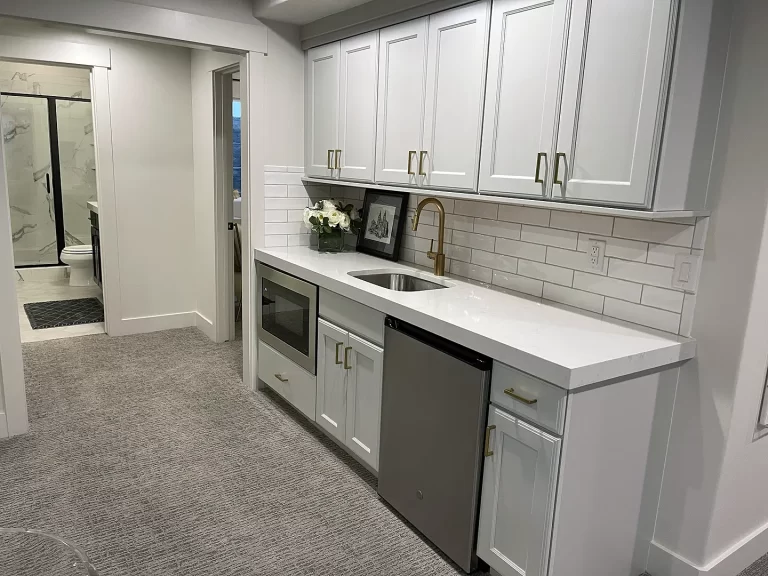
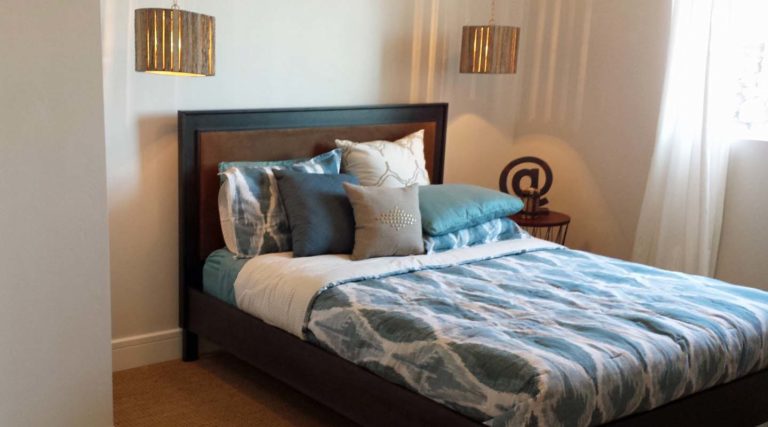
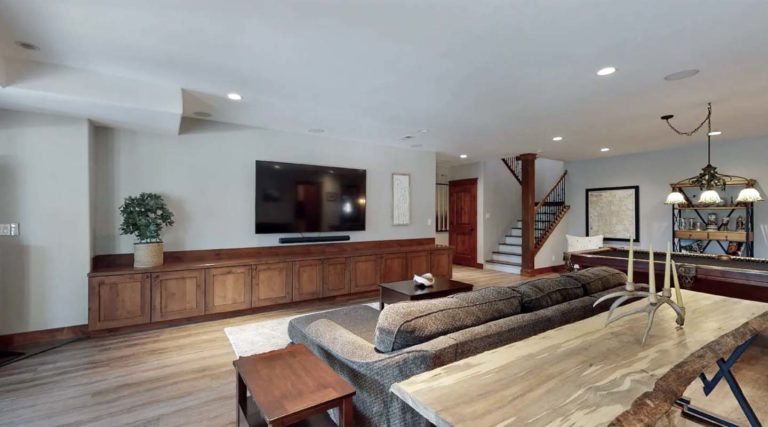
For families turning their basement into a theater room, office, or in-law suite, radiant heating can be the feature that transforms it from “usable” to “inviting.”
Is Radiant Heat Right for Your Utah Basement?
Ask yourself a few key questions:
- Does my basement stay uncomfortably cold in the winter?
- Will the space be used daily (like bedrooms, offices, or living rooms)?
- Do I want to reduce my reliance on ducted heating?
- Is comfort one of my top priorities for this remodel?
If you’re finishing a walk-out basement in Provo or building a full lower-level suite in Park City, radiant heat can be a game-changer. However, if your basement is primarily used for storage or occasional guests, a traditional HVAC system may suffice.
Talk to a Utah Pro Before Deciding
Radiant heat often feels like a luxury until you’ve lived with it—then it feels essential. That said, it’s not a one-size-fits-all upgrade.
Before making a decision, consult with a licensed HVAC or radiant heat specialist who understands Utah’s unique climate, soil, and building codes. They can:
- Review your basement layout and insulation.
- Estimate potential energy savings.
- Recommend whether electric or hydronic is the better choice.
- Advise on flooring options that work best with radiant heat.
Final Thoughts
If staying warm and cozy is at the top of your wish list, and your basement will be a regularly used living space, radiant heat is an excellent upgrade. It does cost more upfront, but the comfort and efficiency can make it worth every penny, especially during Utah’s long winters.
Whether you’re in Salt Lake, Lehi, or Logan, adding radiant floor heating could turn your basement into the most comfortable room in the house.