Flooring is a primary component of any remodel. The right flooring can make a good-looking kitchen look great. The common choices are LVP and tile. They’re durable, waterproof, and come in countless designs and colors.
What about hardwood flooring? It’s making a comeback as a popular flooring in other areas of the house. Is it a good idea for the kitchen? We’ll explore the pros and cons of using hardwood flooring below to help you determine if it’s a suitable choice for your home remodel.
Why Homeowners Love Hardwood Floors in the Kitchen
Timeless Style and Warmth
Hardwood floors add warmth and character that no other material can match. They instantly make a kitchen feel more inviting, whether you’re aiming for a cozy farmhouse vibe, a classic traditional look, or a clean modern style. With countless wood types, stains, and finishes to choose from, it’s easy to find an option that fits your kitchen’s personality.
Durability That Lasts Decades
When properly maintained, hardwood floors can last for generations. They hold up well under daily use, resist wear, and can be refinished when they start to show signs of wear. Unlike some flooring options that need replacing after 10–15 years, hardwood can be renewed rather than replaced.
Easy to Clean
Kitchens get messy, but hardwood makes cleanup fairly simple. Sweeping or vacuuming takes care of crumbs and dust, and a quick wipe handles spills (as long as it’s done promptly). Regular cleaning with the right products will keep your floors looking sharp.
Healthier Indoor Air
Unlike carpet, hardwood doesn’t trap allergens, pet dander, or dust. For families with allergies or asthma, that’s a big plus.
The Drawbacks of Hardwood in Kitchens
Vulnerable to Water
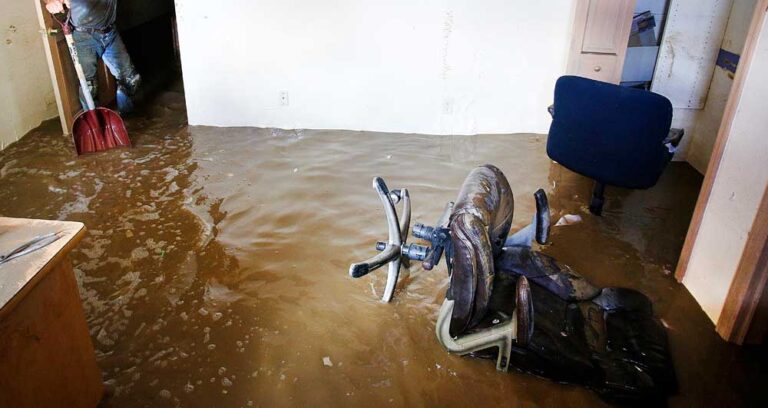
The biggest challenge with hardwood in a kitchen is moisture. Spills, leaks, or a malfunctioning dishwasher can cause the wood to swell, warp, or stain. It doesn’t mean you can’t use hardwood—it just means you’ll need to be quick with cleanup and add extra protection around sinks and appliances.
Higher Upfront Cost
Hardwood floors usually cost more than options like vinyl, laminate, or tile, both for the materials and the installation. That said, many homeowners view it as an investment, as hardwood adds value to the home and can last for decades when properly maintained.
Scratches and Dents Happen
Hardwood is tough, but it’s not bulletproof. Pet claws, heavy pans, or sliding chairs can leave their mark. Choosing a more complex wood, such as oak or maple, helps, and adding rugs in high-traffic areas goes a long way toward keeping it looking fresh.
More Maintenance Over Time
To keep hardwood floors looking their best, they’ll need a little extra care. That includes regular cleaning with the right products and refinishing every few years in a high-traffic kitchen—the payoff: a floor that can keep its beauty for decades.
Alternatives to Consider
If you love the look of hardwood but worry about the upkeep, there are plenty of flooring options that give you a similar style with fewer headaches:
- Tile flooring: Completely waterproof, extremely durable, and available in designs that look just like real wood.
- Luxury vinyl plank (LVP): A popular choice for kitchens, affordable, rugged, highly water-resistant, and surprisingly realistic in texture and appearance.
- Laminate: Easy on the budget, resistant to scratches and stains, and available in a wide range of wood-look finishes.
- Cork: A softer option that’s comfortable underfoot, naturally resists mold and mildew, and is environmentally friendly.
Final Thoughts
Should you install hardwood floors in your kitchen? It really comes down to what matters most to you. If you love the warmth, beauty, and timeless style of hardwood and are willing to be mindful of spills, it can be a fantastic choice. However, if your priority is low maintenance and maximum water resistance, tile or luxury vinyl may be the more intelligent choice.
No matter which way you go, the right flooring will do more than cover the ground; it’ll help turn your kitchen into a space that’s both functional and welcoming.