Thinking about finishing your basement to add more living space or even to boost your home’s value? One of the first questions many homeowners ask is: “Do I need a building permit for this?”
The short answer is that, in most Utah cities, the answer is yes. And while getting a permit may feel like a hassle, it’s one of the smartest steps you can take to protect your investment, your family, and your home. Let’s break it down.
What Is a Building Permit (and Why Does It Matter)?
Think of a building permit as your city’s official “green light” for the project. It’s their way of ensuring your basement is built safely and up to code, from the framing and wiring to plumbing and fire safety.
And while it might feel like just more paperwork, permits are really about protecting you. Skipping them can leave you with hidden problems that turn into safety hazards, failed inspections, or expensive fixes down the road.
What Rules Apply to Basement Finishes?
Each Utah city has its own building codes, but most look at things like:
- Egress windows (for bedrooms and safety exits)
- Ceiling height (minimum clearance requirements)
- Electrical work (proper outlets, lighting, and wiring)
- Plumbing and bathrooms (venting, drains, and layout)
- Ventilation and insulation (energy efficiency and moisture control)
Even minor upgrades, such as adding a bathroom or relocating a wall, usually require permits.
Why Bother With a Permit?
We understand that permits can be costly and add some time to the project. But skipping them can create much bigger headaches. Here’s why permits matter:
- Safety first: Inspectors make sure everything is built to code so your family is safe.
- Peace of mind: You’ll know the work is done right, no cutting corners.
- Home value: When it’s time to sell, buyers and appraisers will want proof that your basement was finished legally.
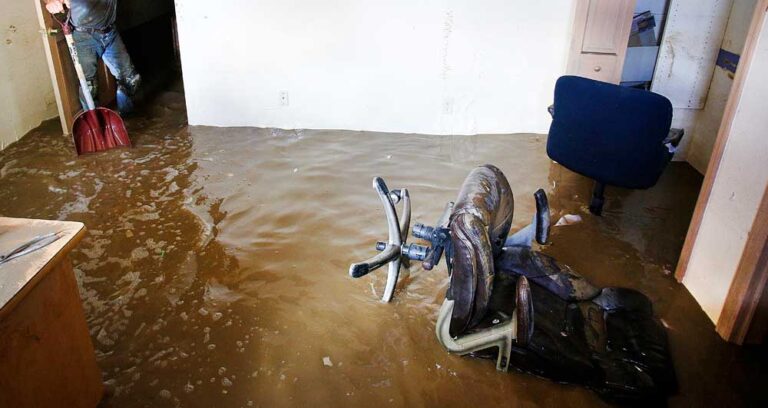
- Insurance protection: If something goes wrong (like a fire or flood), insurance companies may deny claims if the work wasn’t permitted.
In other words, the permit is a small price to pay for long-term peace of mind.
What Happens If You Skip the Permit?
Plenty of homeowners think, “No one will ever know.” But if the city finds out, you could face:
- Fines or penalties from your local building department.
- Problems selling your home, since buyers often request proof of permits.
- Out-of-pocket repairs, if insurance refuses to cover damages.
- Costly tear-outs, if the city forces you to bring everything up to code after the fact.
Bottom line: it’s almost always more expensive to skip permits than to do it right from the start.
How to Get a Building Permit in Utah
Most cities along the Wasatch Front follow a similar process. Your contractor is required to obtain a building permit before commencing construction and should be familiar with the permit process. If you’re doing this on your own, here are a few tips:
- Could you call the city and find out if they do online applications or paper versions?
- Fill out the paperwork completely and submit it along with a detailed drawing of your proposed basement finish.
- Wait for the review, which usually takes three to four weeks.
- Once you get your approval, you can start the project.
Working With a Contractor
If you hire a licensed contractor, they should be responsible for obtaining the necessary permits on your behalf. In fact, this is a good way to separate pros from amateurs. Reputable contractors won’t skip permits or ask you to pull them yourself.
Before you sign, always confirm that your contractor is licensed and insured in Utah and that permits are included in the scope of work.
Common Misconceptions About Building Permits
- “They’re too expensive.” Permit fees are typically a small fraction of your total project cost.
- “They take forever.” Most Utah cities process basement finish permits fairly quickly. The time you spend waiting is minor compared to the risk of skipping.
- “I don’t need one if I’m not selling my house.” Even if you never sell, permits protect you from liability, safety issues, and insurance problems.